
"Climate change"
6000 article(s) found

A brief introduction to the origin, development, history and culture of Columbia's exquisite boutique coffee beans.
The suitable climate in Colombia provides a real natural pasture for coffee. Coffee trees in Colombia are mainly cultivated in the Andes, on steep slopes about 1300 meters above sea level, where the annual temperature is about 18 degrees Celsius, annual rainfall is 2000 to 3000 millimeters, latitude 1-11 15 north, longitude 72-78 west, and the specific range of elevation can exceed 2.000 meters. By

A brief introduction to the origin, development, history and culture of Columbia's exquisite boutique coffee beans.
The suitable climate in Colombia provides a real natural pasture for coffee. Coffee trees in Colombia are mainly cultivated in the Andes, on steep slopes about 1300 meters above sea level, where the annual temperature is about 18 degrees Celsius, annual rainfall is 2000 to 3000 millimeters, latitude 1-11 15 north, longitude 72-78 west, and the specific range of elevation can exceed 2.000 meters. By

A brief introduction to the description of the flavor and aroma characteristics of Columbia's exquisite coffee beans
The annual rainfall is 2000 to 3000 mm, latitude 1-11 15 north and longitude 72-78 west. The specific range of elevation is more than 2.000 meters. By a special combination of various factors, the latitude, altitude, soil, plant origin of species and varieties of coffee in the coffee growing area of Colombia, the rain pattern produced by the climate and tropical convergence of the coffee growing area, in one.

A brief introduction to the treatment method of grinding degree and baking degree of Columbia exquisite coffee beans
Colombia's exquisite Tamina boutique raw beans are first produced by Medellin in terms of yield and texture, which is characterized by full granules, rich nutrition, moderate acidity, good balance, rich aroma and soft taste. In addition to Medellin, the provincial capitals of the two neighboring provinces in the south, Armenia (Armenia) and Manisales (M)
A brief introduction to the treatment method of grinding degree and baking degree of Columbia exquisite coffee beans with high balance
Colombia's exquisite Tamina boutique raw beans Colombia's suitable climate provides a real natural pasture for coffee. Coffee trees in Colombia are mainly cultivated in the Andes, on steep slopes about 1300 meters above sea level, where the annual temperature is about 18 degrees Celsius, annual rainfall is 2000 to 3000 mm, latitude 1-11-15 north, longitude 72-78 west, sea
Introduction to the original taste and characteristics of Colombian coffee beans
An experienced bean baker will have an in-depth understanding of the original taste and characteristics of raw beans, and then present the best flavor of coffee according to its characteristics. From the origin of coffee, climate, altitude, the way coffee fruits are processed after harvest, to the water content of coffee beans during packaging, and the temperature and humidity stored at the export of coffee beans, all affect the taste of coffee roasted. So, an experienced person

Rich and calm aged Mantenin boutique coffee beans planting situation, geographical location, climate and altitude
The old coffee is different from the Indian monsoon coffee, which is the result of the natural aging of the raw beans through the rapid loss of water in the raw beans during a short period of 34 months by exposure to the monsoon. The age of the monsoon coffee beans is young and strong. Old coffee beans are more different from old coffee. Raw coffee beans

A brief introduction to the treatment method of grinding degree and baking degree of bright sour Dominica boutique coffee beans
Dominica is an island country with a tropical climate, with little change in temperature throughout the year. Except for the lower temperature in the Central Cordillera Mountains, which can reach less than 0 ℃ in winter, the average annual temperature in other areas is between 25 and 30 ℃, while affected by the mountain topography, the north and east face the northeast trade wind, with an annual precipitation of 1500-2500 mm, which belongs to a tropical marine climate.

Climatic effect and character Identification of Coffee
1. The seed coat of small fruit coffee has been removed, oval or oval in shape, 8-10mm in length, 5-7mm in diameter, 3-4mm in thickness in the middle, raised abaxially, flat ventral, slightly curved longitudinal groove and paper seed coat marks. Raw products are yellow or dark green; baked products are dark brown with special aroma and slightly bitter taste. Astringent. two。 Medium fruit coffee seeds are slightly larger, ovoid, 9-11mm long, 7-9mm in diameter, dorsal

What kind of tea is used in Darjeeling black tea? General situation of growth conditions of Darjeeling Tea
Although it may seem absurd to change tea from bitter waxy leaves on bushes to spirits in pots, tea makers actually followed the basic steps invented by Chinese farmers in the 18th century. Tea is a part of the genus Camellia, and there are three main varieties used to produce tea: sinensis

A brief introduction to the description of the flavor and aroma characteristics of Columbia's exquisite coffee beans with high balance.
No matter in terms of yield or texture, Colombian coffee is first produced by Medellin, which is characterized by full granules, rich nutrition, moderate acidity, good balance, rich aroma and soft taste. In addition to Medellin, the provincial capitals of two neighboring provinces in the south, Armenia and Manizales, are also famous coffee producers.

A brief introduction to the description of the flavor and flavor characteristics of Columbia's exquisite coffee beans with a long aftertaste
Origin: na Linglong altitude: 1860 m-2220 m processing: washing harvest time: April-June (75%), October-February (25%) varieties: new Kaddura species, Castie baking degree: CITY+ flavor characteristics: roasted almonds, lemon and orange, white chocolate, honey, peach, round body, long aftertaste, balance this is the reason for the excellent quality of Colombian coffee.

A brief introduction to the treatment method of grinding degree and baking degree of Columbia exquisite coffee beans with a long aftertaste
No matter in terms of yield or texture, Colombian coffee is first produced by Medellin, which is characterized by full granules, rich nutrition, moderate acidity, good balance, rich aroma and soft taste. In addition to Medellin, the provincial capitals of two neighboring provinces in the south, Armenia and Manizales, are also famous coffee producers.

How do you drink the coffee beans you bought? No matter how it changes, it's fine.-Guatemala of Guatemala.
How do you drink the coffee beans you bought? The size of Guatemala Guatemala is only three times larger than that of Taiwan, but it is rich in natural resources, which makes the Guaguo coffee very amorous. The common tonality is elegant and lively, clean, well-organized, with green malic acid, jasmine, orange peel, green pepper, cocoa, and some finishes with strong smoke flavor.

Cherish the coffee in your hand. You never know when you'll lose it.
This is not my alarmist, it is the US government that says. Coffee is the most vulnerable cash crop to global warming, they told an environmental conference last week. Coffee is a crop that is extremely sensitive to temperature changes, and the greenhouse effect of rising temperatures can put the world's coffee-producing regions in a very dangerous situation. Environmental Protection Officer Gina McCar
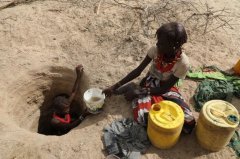
Is Kenya safe? drought and locusts in Kenya's coffee-producing countries lead to food shortages
Drought escalates into a national disaster according to Xinhua News Agency, on September 9, Kenyan President Uhuru Kenyatta announced that a drought that was raging in several parts of the country had escalated into a national disaster. The president said agencies and governments will work to help affected families, including the distribution of water and relief food. In addition, he said more details of the government's comprehensive drought relief measures will be released in due course.
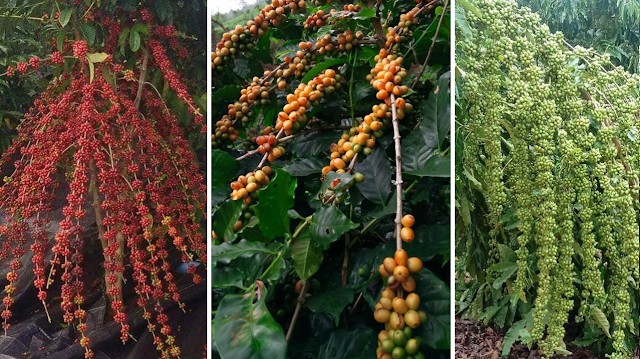
The wind in the coffee market has changed! 60% of Arabica's market share was lost, and Robusta exceeded 40%!
Professional coffee knowledge exchange more coffee bean information Please follow the coffee workshop (Wechat official account cafe_style) in recent years, the industry despises Robsta rather than Arabica. Arabica is the only coffee bean with good flavor. However, Arabica, which is engaged in hard work, has lost its market share of 70%, or even dropped below 60%. According to the United States Department of Agriculture on June 12th
Factors affecting the price increase of coffee futures
Coffee futures trade coffee beans, and futures are both an investment and an increase in coffee. The increase in coffee lies not only in the origin, good or bad, but also for many piecemeal reasons. In the coffee futures market, the main factors affecting the price of coffee beans can be summarized as follows:

Introduction of Regional Grinding scale for Ramon Coffee Bean processing in Colombia
Colombian Ramon coffee bean processing quality regional grinding scale introduces that the suitable climate in Colombia provides a real natural pasture for coffee. Coffee trees in Colombia are mainly cultivated in the Andes, on steep slopes about 1300 meters above sea level, where the annual temperature is about 18 degrees Celsius, annual rainfall is 2000 to 3000 millimeters, and latitude 1-11.

Philippine Coffee: seeking Development in the double barriers of abnormal Climate and cheap imported Coffee
Professional coffee knowledge exchange more coffee bean information please follow the coffee workshop (Wechat official account cafe_style) the Philippines is a coffee producer. The country's different topography and climate make it suitable not only for growing Robusta, but also for Arabica, Liberia and Excelsa. But in recent years, the Philippines has not produced enough to support its coffee consumption.